Dongyu Insights
How to Check Logo Print Durability on Custom Squishy Toys Before a Bulk Order
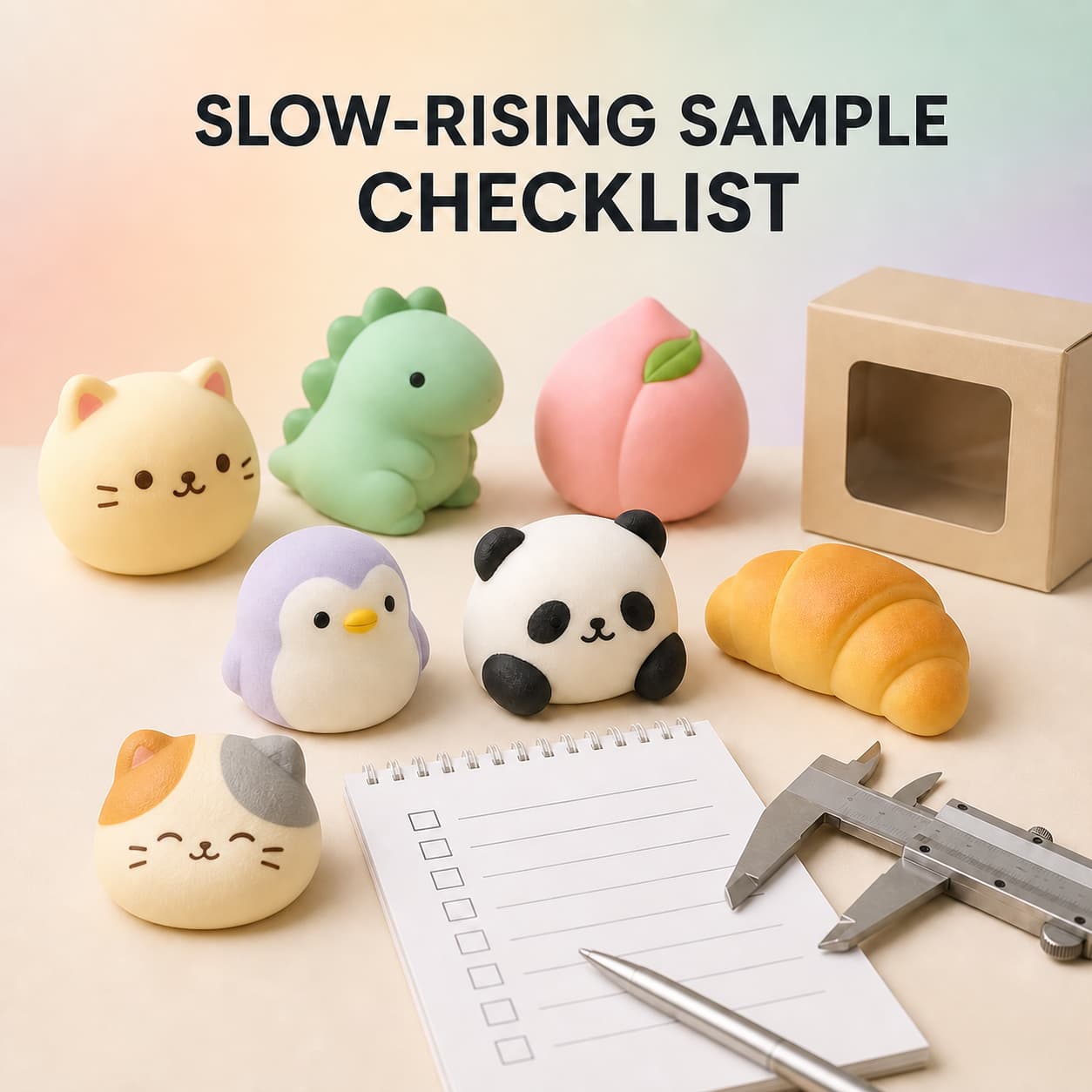
A logo can look sharp in a digital mock-up and still perform poorly on a soft, curved product. Custom squishy toy logo print durability depends on the product material, coating, surface shape, artwork, print area, decoration process and how the finished toy is handled. For a wholesale buyer, the practical goal is not to demand an unsupported promise. It is to define the expected result, inspect a representative printed sample and record exactly what has been approved.
This guide provides a buyer-side workflow for PU foam, TPR, TPE and other soft squishy styles. It explains visual and handling checks that can be discussed with a supplier before a bulk order. These checks are not a substitute for product-specific compliance testing or a qualified laboratory method. If a market, retailer or contract requires a defined test, confirm the applicable method, sample plan and acceptance criteria with the appropriate specialist.
Define what an acceptable printed logo means
“Durable” is too vague to use as an approval instruction. Before sampling, describe the result that matters to the product and sales channel. A promotional giveaway handled at an event, a collectible sold in a display box and a children’s squeeze toy used repeatedly may have different priorities.
- Appearance: expected logo size, position, orientation, color and opacity.
- Readability: minimum detail that must remain clear at normal viewing distance.
- Surface behavior: whether the logo may follow a gentle curve and how much distortion is acceptable.
- Handling expectation: the kind of squeezing, rubbing, packing and retail handling the product is expected to receive.
- Consistency: acceptable variation in position, coverage and color across reviewed samples.
- Reference: the approved artwork version, product version and physical sample used for comparison.
Write these points into the project brief. If the supplier recommends changing the logo size, number of colors or location, update the drawing and approval record rather than relying on a chat message alone.
Match the decoration plan to the material and shape
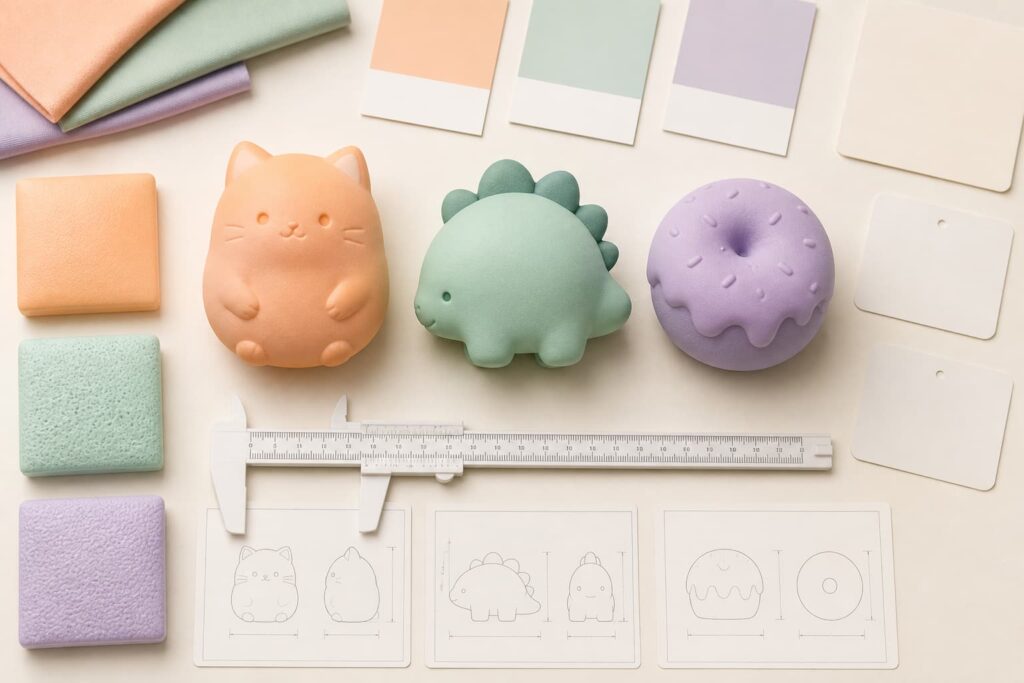
A print process that works on one squishy product should not automatically be assumed suitable for another. PU foam, gel-feel TPR or TPE surfaces, coatings, molded textures and painted details can interact differently with decoration. The same artwork may also behave differently on a flat panel, a rounded belly, a narrow limb or a highly flexible area.
Ask the supplier to identify the proposed decoration method and the available print area for the exact style. Common questions include:
- Which material and surface finish will receive the logo?
- Is the print applied to the base material, a coating or a painted layer?
- Does the proposed area cross a seam, texture, deep curve or moving feature?
- How many colors and print positions are planned?
- Will a color underlayer or another preparation step be needed for the intended appearance?
- Can the supplier provide a physical printed sample on the intended product version?
For a broader material comparison, see how to choose squishy toy materials for wholesale. Material selection and logo decoration should be reviewed together, but they are separate approval decisions.
Simplify artwork for a soft, curved surface
Fine lines, small text, large solid areas and closely registered multiple colors can be more difficult to reproduce on an irregular, compressible product than on flat packaging. The best solution is not always a more complex print process. It may be a clearer logo lock-up, a smaller print area, a flatter placement zone or branding on the package instead.
Review the artwork at its intended physical size. Confirm that strokes, spaces and letterforms remain readable without zooming. Ask for the print boundary to be marked on a product photo or drawing. If the logo approaches a seam or sharp curve, compare an alternative position before approving tooling or print setup.
The custom logo squishy toys guide explains the broader choice between direct product branding and private-label packaging. Keep that strategy separate from today’s print-quality approval.
Inspect the first printed sample under consistent conditions
Use clean hands, neutral lighting and a simple background. Photograph the sample from the front and from angles that reveal surface gloss, coverage and edge quality. Compare it with the approved artwork and placement drawing, not with memory.
Visual checks
- Position: is the mark centered and oriented as approved?
- Coverage: are solid areas reasonably even for the intended surface?
- Edges: are outlines clear, or are they blurred, doubled or incomplete?
- Color: does the appearance match the approved sample direction under agreed viewing conditions?
- Registration: if several colors are used, do they align acceptably?
- Surface interaction: does texture or curvature make important details unreadable?
- Cleanliness: are there unintended marks, transfer, smudges or residue around the logo?
Do not judge only from a close-up phone photo. View the product at the distance and orientation a shopper or end user is likely to see it. A tiny imperfection that appears dramatic under magnification may not affect normal presentation, while a misplaced logo can remain obvious at any distance.
Use a controlled handling check before approval
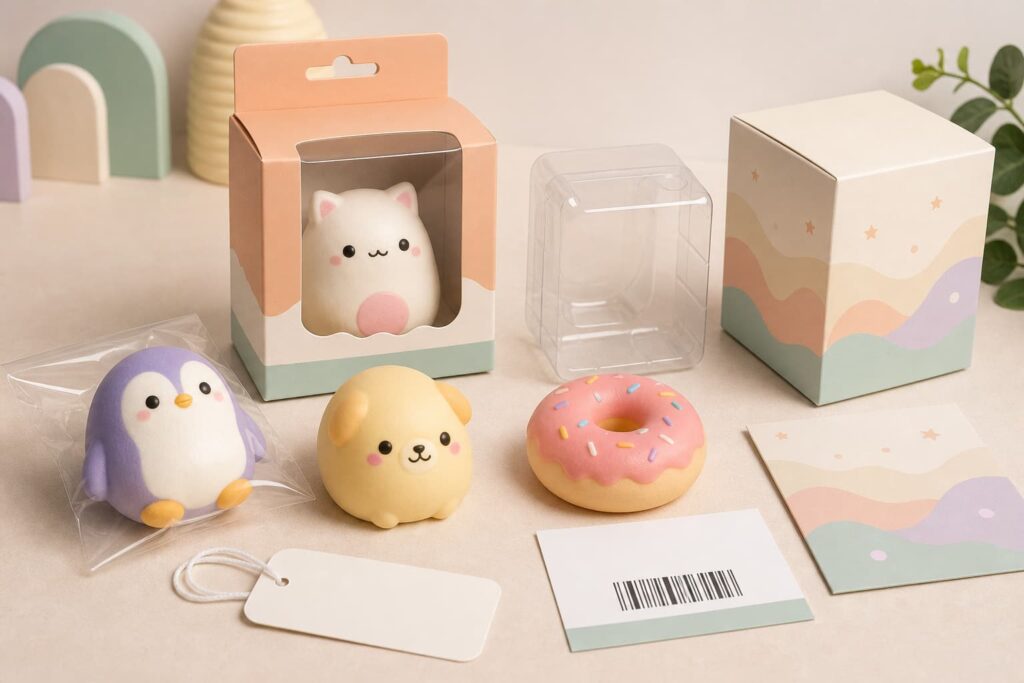
A simple handling check can reveal obvious smudging, lifting, transfer or cracking on the submitted sample. It should be documented as an internal buyer check, not presented as a universal industry standard.
- Photograph the untouched sample and note the artwork and sample version.
- Handle and squeeze the toy in a repeatable way that reflects the intended use.
- Allow the product to recover between observations if rebound is part of its design.
- Inspect the logo under the same light for cracks, lifting, color transfer, loss of coverage or edge damage.
- Use a clean light-colored cloth for a gentle, defined rub check only if this has been agreed with the supplier.
- Photograph the result and record the number or duration of actions used in your own check.
- Repeat the same review on more than one submitted sample when possible.
The buyer and supplier should agree in writing on any acceptance criteria used for the order. If a formal durability result is commercially or legally important, commission a defined test through a qualified party rather than converting an informal squeeze check into a certification claim.
Know the defects that require a decision
Not every observation has the same cause or remedy. A blurred edge may point to artwork, curvature or process control. Cracking during flexing may involve the ink system, surface preparation, coating or placement. Transfer onto packaging may relate to curing, contact pressure, storage conditions or packing design. Ask the supplier to investigate the specific product and sample instead of assuming one universal cause.
- Smudging or transfer: pause approval and confirm whether the submitted sample represents the intended finished process.
- Hairline cracking: compare the crack location with the highest-flex area and consider a smaller or different placement.
- Peeling or lifting: review surface compatibility, preparation and sample condition with the supplier.
- Uneven coverage: check whether texture, curvature, artwork area or color choice is contributing.
- Misregistration: simplify the color structure or agree on a realistic visual tolerance.
- Position variation: define the reference point and acceptable placement range more clearly.
Check several samples, not only the best one
A single presentation sample can show the target appearance, but it does not describe variation. When the project reaches a pre-production or production-reference stage, ask what sample set is available and how it represents the planned process. Compare logo position, coverage, color and cleanliness across the reviewed units.
Keep one approved sample or a controlled set of photos as the visual reference. Label it with the product code, artwork version, date and approval status. If any change is made after approval, issue a new version and state whether another physical sample is required.
Dongyu Toys’ custom development process outlines how the brief, sample, production and quality-review stages connect. The print reference should stay linked to the same approved product and packaging version.
Decide when branding belongs on the packaging
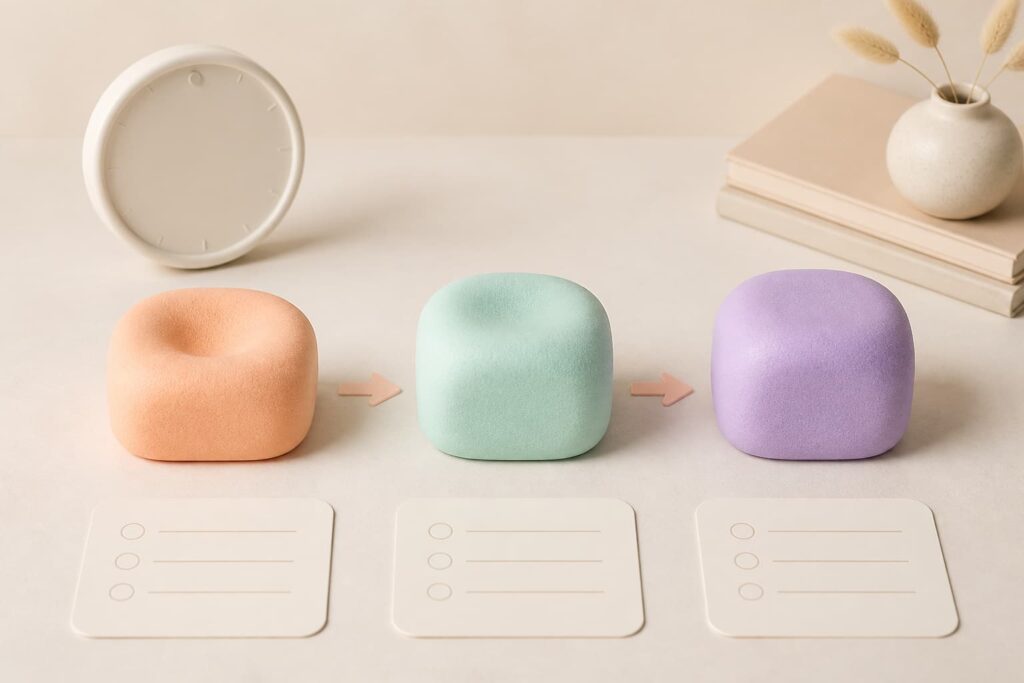
Direct product printing is not always the lowest-risk branding route. If the product has no suitable print zone, the artwork is too detailed, the surface flexes heavily or the logo interferes with the design, a hang tag, insert card, label or retail box may present the brand more clearly.
This does not mean packaging is automatically better. It creates a different approval set: dieline, color, copy, barcode, product fit and retail presentation. Buyers should compare the commercial role of the logo, expected handling, order structure and sales channel before deciding.
Written approval checklist for buyers
- Exact product, material and finish identified.
- Current vector artwork and visual proof identified by version.
- Print method, color count, position and approximate size recorded.
- Physical printed sample reviewed under consistent conditions.
- Visual defects and handling observations photographed.
- Several samples compared where available.
- Acceptance criteria and open questions written down.
- Approved reference retained for production comparison.
- Packaging-contact and storage concerns discussed where relevant.
- Any formal test requirement assigned to a qualified party.
Frequently asked questions
Which printing method is best for a custom squishy toy logo?
There is no universal answer. The suitable method depends on material, coating, shape, logo detail, color count, print area and order requirements. Ask for the proposed method and confirm it on the intended physical sample.
Can a digital mock-up prove print durability?
No. A digital mock-up helps confirm size and placement, but it cannot show adhesion, curing, rubbing, flex behavior or interaction with the real surface.
Should I squeeze the sample before approving it?
A documented handling check can reveal obvious issues and is useful for buyer evaluation. It is not automatically a standardized durability test. Agree on the internal check and use a qualified laboratory method if a formal result is required.
What if a detailed logo does not print clearly?
Consider simplifying the artwork, enlarging critical details, reducing colors, moving the print to a flatter area or placing the full brand message on a tag or package.
What should be kept for a reorder?
Keep the approved artwork, product code, print specification, sample photos, retained sample where practical, packaging version, approval notes and a record of later changes.
Prepare a more reliable logo sample
If you are developing branded squishy toys for wholesale or private label, review Dongyu Toys’ OEM/ODM custom squishy toy service. Then send an inquiry with the product idea, material direction, target quantity, market, logo artwork, proposed print position and packaging needs. Clear inputs make it easier to discuss a realistic sample and approval plan.