Dongyu Insights
Custom Mochi Squishy Toys for Wholesale: A Buyer Guide to Material, Feel, Design and Packaging
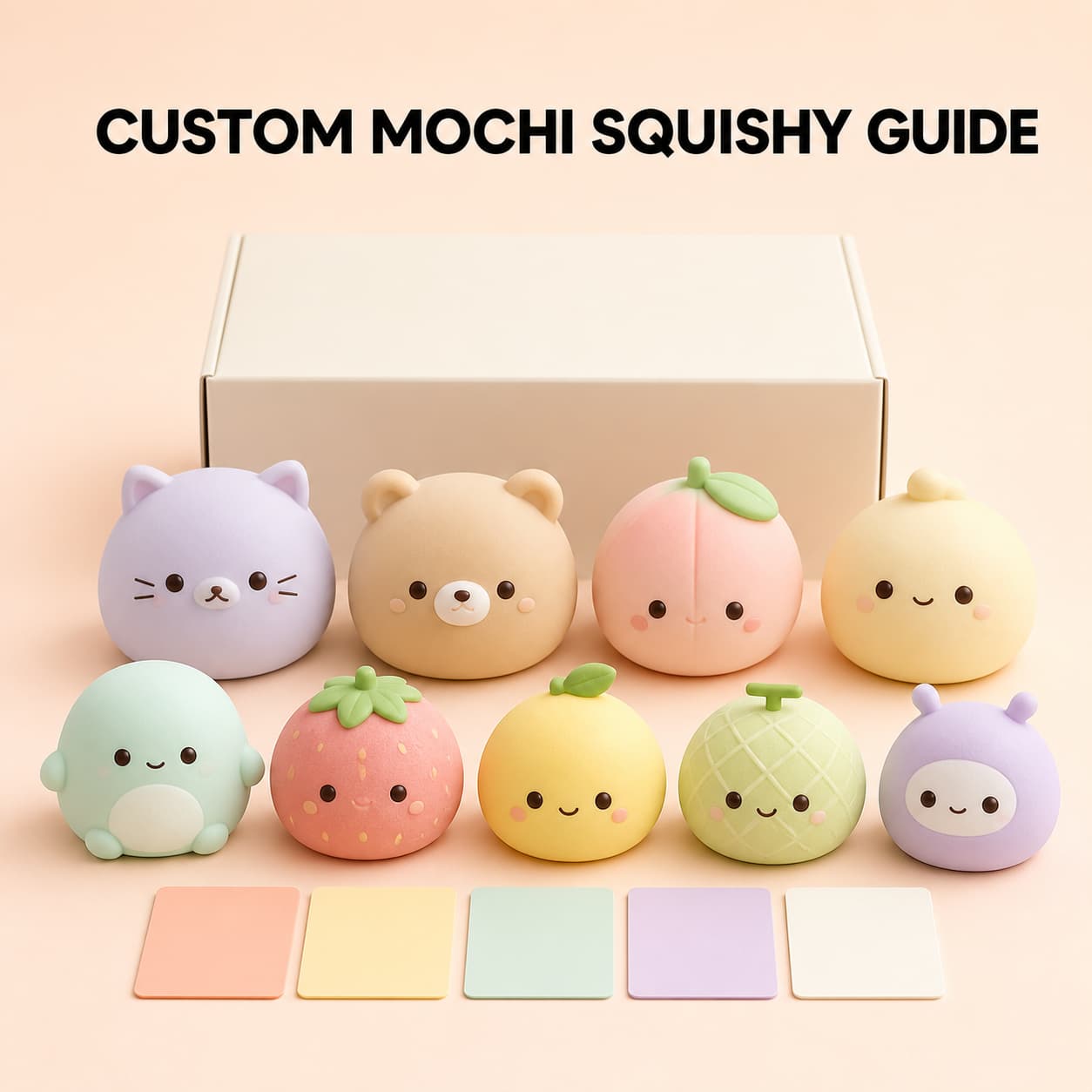
Custom mochi squishy toys for wholesale can look simple, but a successful order depends on more than choosing a cute animal and a pastel color. A buyer must define the expected hand feel, confirm the actual material and construction, approve details on a physical sample, and match the assortment and packaging to the intended sales channel.
This guide gives importers, retailers, promotional-product buyers and online sellers a practical way to prepare that project. It also explains an important point: “mochi squishy” is a useful market description, not a complete technical specification. The product record should state what the approved sample is made from and how it is built.
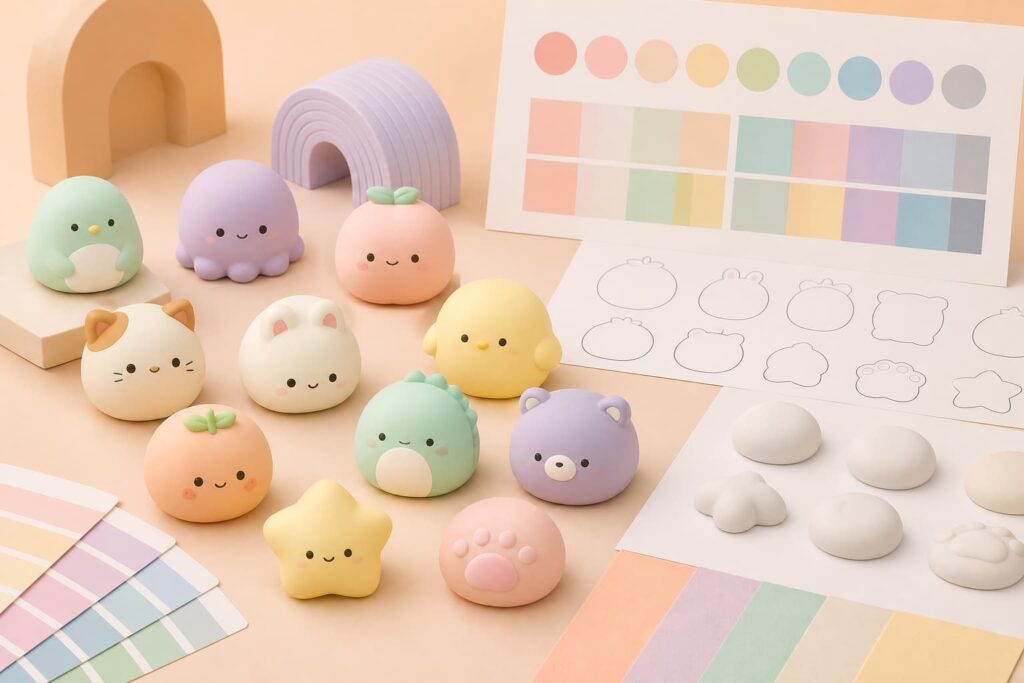
What Buyers Usually Mean by a Mochi Squishy
In retail language, a mochi squishy is usually a small, soft and highly squeezable tactile toy with a rounded shape and a smooth or lightly matte surface. Animal faces, fruit shapes, food themes and simple mascots are common because their broad forms suit compact assortments and impulse displays.
However, the name alone does not tell a manufacturer enough. Similar-looking products may use different flexible compounds, solid constructions or filled constructions. They can differ in firmness, stretch, surface tack, recovery behavior, weight and decoration. These differences influence the user experience, packaging choice and checks required before production.
Begin with the experience you want:
- Softness: should the item flatten easily or provide more resistance?
- Recovery: should it return quickly, gradually or simply reshape after pressure?
- Surface: should it feel matte, smooth, translucent or lightly grippy?
- Use case: is it an impulse toy, collectible, gift-set component or promotional item?
- Presentation: will it sell individually, in a themed multipack, display tray or private-label gift set?
Mochi Feel Is Not the Same as Slow-Rising PU Foam
Buyers should separate the mochi category from classic slow-rising foam. A PU foam squishy is commonly selected for a compressed shape that gradually returns. A mochi-style tactile toy is often selected for a compact, elastic or gel-like squeeze and rounded form. Actual behavior still depends on the approved formulation and construction.
If a collection needs both experiences, list them as separate groups. Do not assume a TPR, TPE, silicone-like, gel-feel or PU description guarantees a particular performance. Ask for the exact material statement used for the quoted item and verify the feel with a sample. See the squishy toy materials guide for a broader comparison.
Build a Clear Custom Mochi Squishy Brief
A useful inquiry reduces repeated questions and makes quotations easier to compare. Send one document containing the commercial target and the product details already known.
Define the customer and sales channel
State whether the product is intended for a toy store, stationery shop, gift retailer, ecommerce listing, promotional campaign or another channel. Include the destination market and intended age positioning because these affect labeling, documentation and packaging discussions. Do not copy a competitor’s claims or age grade without reviewing your own requirements.
Describe the physical direction
- Shape or character theme
- Target dimensions and approximate weight direction
- Preferred color palette and finish
- Desired firmness, elasticity and recovery behavior
- Solid or filled construction, if decided
- Printed, painted, molded or attached details
- Individual pack, multipack or display requirement
- Expected order quantity and launch timing
Reference photos can communicate proportions and mood, but identify which artwork belongs to you. Original sketches, licensed artwork or a written concept are safer than asking a supplier to duplicate another brand’s character.
Create a measurable approval sheet
Turn subjective words into comparisons. Instead of “very soft,” record whether the sample is softer or firmer than an agreed reference. Instead of “perfect pink,” attach a color reference and identify whether it applies to the base material, surface paint or packaging. Photograph the approved sample under consistent lighting and assign a sample date or code.
The Dongyu Toys OEM/ODM service page shows the information used to move from an idea to sample development, color confirmation and packaging planning.
How to Evaluate a Mochi Squishy Sample
Review the sample as a product system, not only as a character sculpture. Keep written notes so the same criteria can be used for pre-production confirmation and later shipment checks.
Shape and dimensions
Check the silhouette, facial placement, thickness and balance on a flat surface. Measure agreed dimensions at consistent points. Changes in wall thickness, internal construction or decorative features may affect the squeeze experience, so approve appearance and feel together.
Hand feel and recovery
Squeeze the sample as a customer would normally handle it. Record firmness, stretch, recovery, surface tack and whether it returns evenly. When comparing samples, use the same room conditions and handling sequence. The goal is a repeatable commercial reference, not an unsupported laboratory claim.
Surface and decoration
Inspect matte or glossy areas, color consistency, seams, bubbles, marks, dust attraction and printed or painted details. Flex decorated areas gently during normal handling and record visible change. A tiny face can be central to the product’s appeal, so its position, contrast and alignment belong on the approval sheet.
Odor, cleanliness and packaging fit
If odor matters, describe an acceptable reference rather than using an absolute claim. Review the sample after time inside the proposed packaging because enclosed storage can change the first impression. Check whether the surface attracts lint or needs an individual bag. Place the actual product into the proposed bag, tray or box and confirm it is not excessively compressed or rubbing against rough edges.
Plan an Assortment That Is Easy to Buy and Reorder
A large number of cute designs is not automatically a strong wholesale range. Retail buyers also need understandable themes, manageable SKU counts and predictable case packing.
Start with one visual family—for example, garden animals, pastel fruit or sea characters. Keep a shared scale, face style and color logic, then add variation through ears, leaves or fins. A first assortment can use hero designs, supporting designs and one or two novelty shapes without making every unit a separate development project.
Decide whether buyers can order individual designs or only a mix. For blind or surprise formats, define the assortment ratio, outer-pack presentation and identification method separately. The custom squishy blind-box planning guide explains that format in more detail.
Choose Packaging Around the Product and Channel
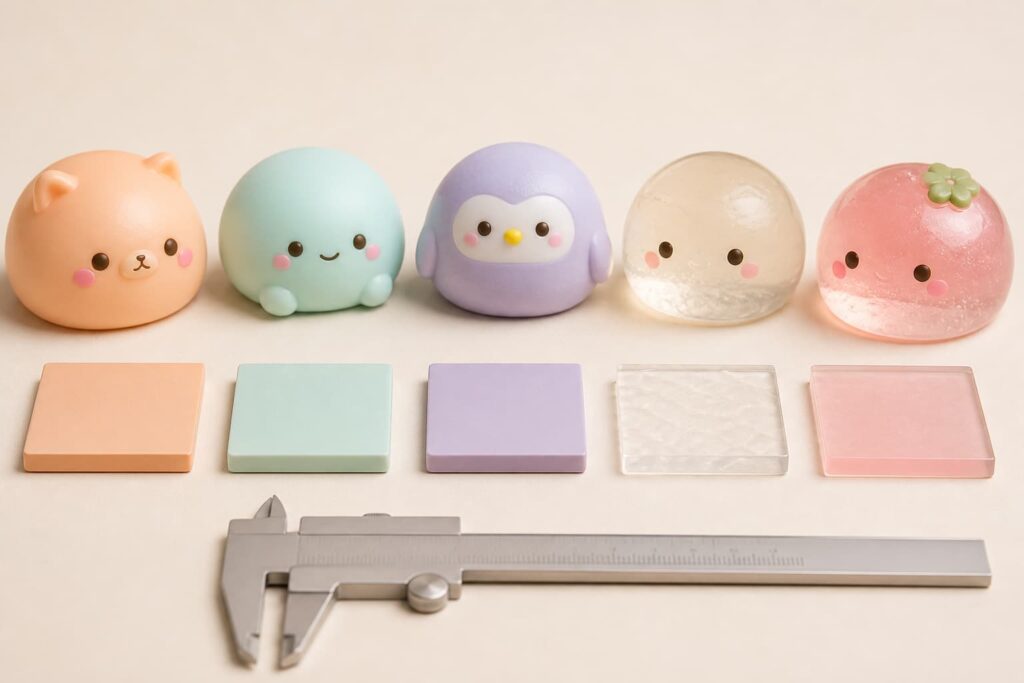
Compact mochi-style toys can use several presentations:
- Individual clear bag: protects the surface and keeps the product visible.
- Printed or labeled bag: adds brand information in a lightweight format.
- Display tray: organizes a mixed assortment for countertop retail.
- Window box: creates more gift value and protects decoration.
- Multipack: supports themed sets, party favors or ecommerce bundles.
Confirm product orientation, internal space, closure, label location, barcode area, warning and importer information requirements, and the master-carton plan. Avoid approving artwork before pack dimensions and required information are known. Compare formats with the custom squishy toy packaging guide.
Discuss Target-Market Documentation Early
Toy requirements vary by destination, design, age positioning, materials and sales channel. Tell the supplier where the item will be sold and ask which documents or tests are available for the exact product, material, color, decoration and production batch under discussion.
Do not rely on a generic certificate image or assume a report for another SKU applies. Record report numbers, product identifiers, dates, tested components and the responsible company. Your importer, retailer, laboratory or compliance adviser should confirm applicable requirements before claims are printed or an order is released.
From Sample Approval to Bulk Order
- Freeze the product specification: record shape, dimensions, weight direction, material statement, feel reference, colors, finish and decoration.
- Approve packaging: confirm structure, artwork version, labels, barcode direction, pack quantity and display arrangement.
- Confirm the commercial order: agree quantity, assortment ratio, quotation scope, payment terms and timing for the actual project.
- Retain an approval reference: keep an identified sample and matching digital specification.
- Define checks: list the appearance, feel, packaging and carton details to review before shipment.
The production process page outlines checkpoints for the brief, sample, production, quality review, packing and dispatch.
Questions to Ask a Mochi Squishy Manufacturer
- What exact material and construction are included in this quotation?
- Which parts of the shape, color, finish and feel can be customized?
- What files and references are needed for sample development?
- How will softness, recovery and finish be compared with the approved sample?
- Which decoration method suits the proposed details?
- Can the final product be checked inside the proposed packaging?
- Which quantity, timing and costs apply to this specific design?
- What target-market information is required before documentation is discussed?
- How are assortment ratios, labels, cartons and shipping marks confirmed?
FAQ About Custom Mochi Squishy Toys Wholesale
What material are mochi squishy toys made from?
The retail term can cover different flexible materials and constructions. TPR and TPE descriptions are common in visible supplier listings, while other tactile constructions exist. Ask for the exact material statement for the quoted SKU and confirm behavior on a physical sample.
Are mochi squishies the same as slow-rising squishies?
Not necessarily. Slow-rising usually describes a recovery behavior commonly associated with PU foam. Mochi commonly describes a compact, soft, elastic or gel-like tactile style. The approved sample and specification should define the real product.
Can a buyer create custom animal mochi squishies?
Yes, animal, food, mascot and promotional forms can be developed, subject to design, material, molding, decoration and commercial requirements. Send original artwork or references plus size, feel, color, quantity and market information for review.
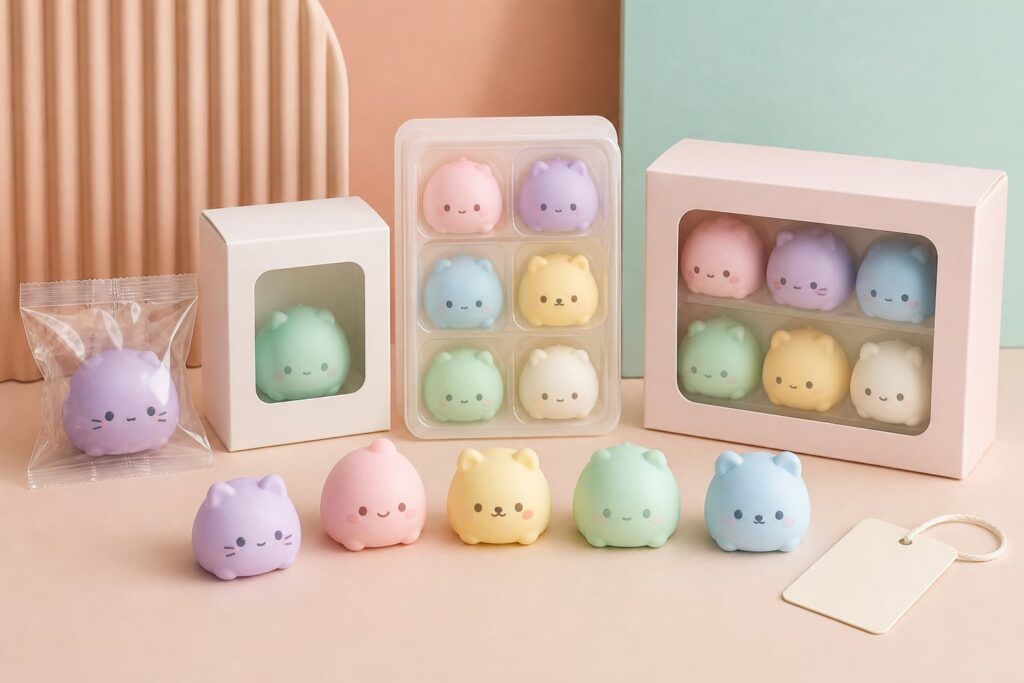
Should the logo go on the toy or packaging?
That depends on the surface, logo detail, handling and brand presentation. Small character products may preserve their appearance by placing more information on the bag, label or box. Test on-product decoration on the actual sample before approval.
What should be approved before production?
Approve the physical reference, material statement, dimensions, feel, color, surface, decoration, packaging structure, artwork version, assortment ratio, labeling direction and commercial order details. Keep these decisions in one approval record.
Prepare a Better RFQ for Your Mochi Squishy Project
Send your concept or original artwork, target size, desired feel, color direction, packaging format, quantity, destination market and sales channel. If you have a reference sample, explain which features should match and which must change.
Dongyu Toys supports custom tactile squeeze-toy projects across shape, material direction, surface finish and retail packaging. To discuss custom mochi squishy toys for wholesale, send an inquiry with your project details and reference files.